Our Location
304 North Cardinal St.
Dorchester Center, MA 02124

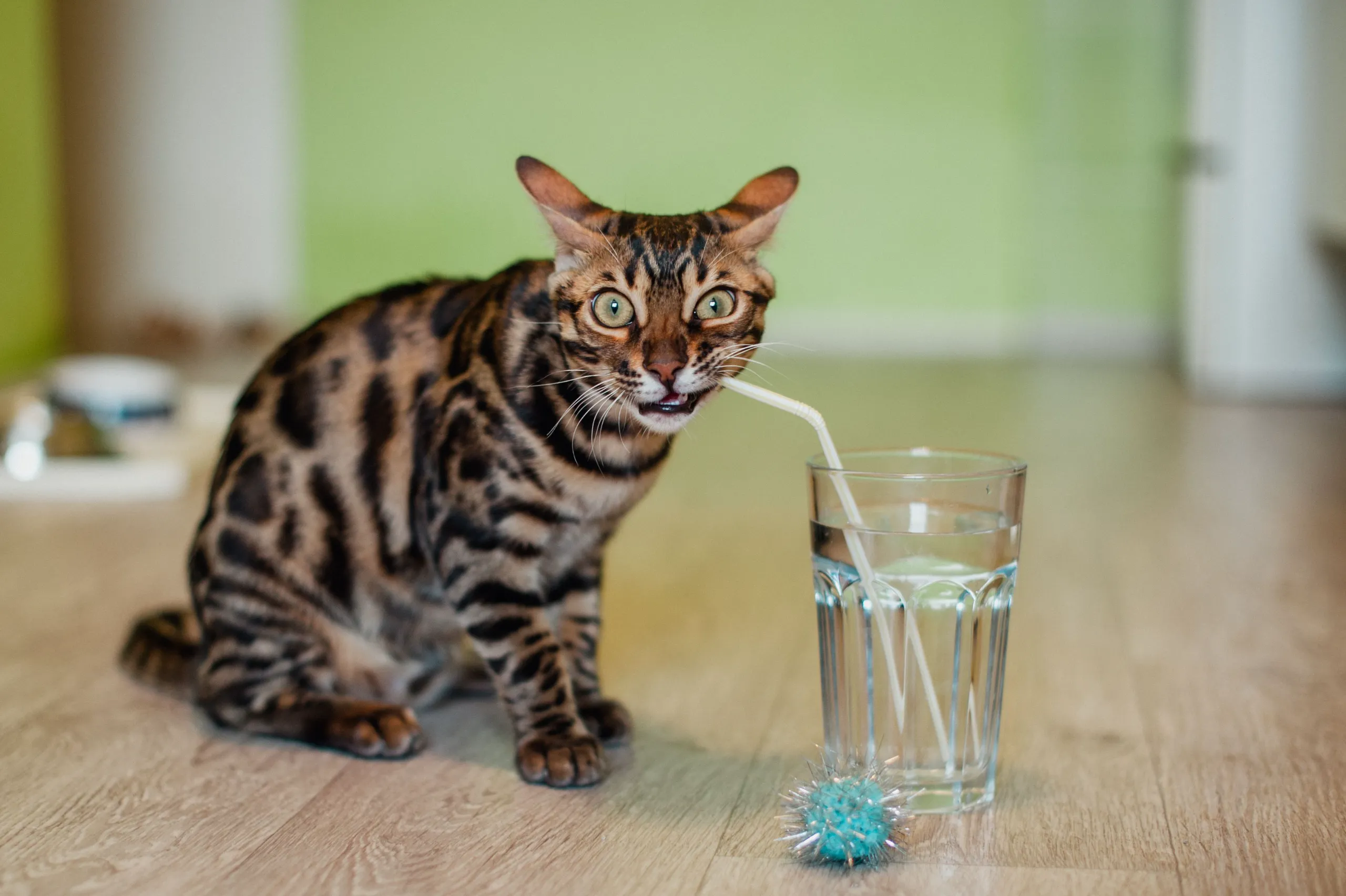
Does your cat barely touch its water bowl? You’re not alone. Many cats don’t seem to drink much, and it can be difficult to tell whether they’re getting enough water throughout the day.
The good news is that you don’t necessarily need an expensive water fountain or a complete change to your cat’s routine. Small adjustments to water bowls, feeding habits, and the places where your cat drinks can make a difference.
The first thing to understand is that cats get water from both their drinking bowls and their food. A cat eating wet food may drink much less than one eating dry kibble.
Use the checklist below to make drinking more appealing, increase your cat’s water intake safely, and recognize when a lack of drinking could signal a health problem.
Before buying anything new, check these simple things:
You don’t have to change everything at once. Start with a couple of easy adjustments, observe your cat’s response, and build from there.
One water bowl may not be enough, especially in a large home or a household with several cats.
Some cats prefer drinking in quiet areas, while others may avoid a bowl if another pet regularly blocks access to it.
Try this:
What to watch for: Does your cat visit one location more often than another? Its preference can help you decide where to keep the main water bowl.
A bowl that looks perfectly fine to you might not appeal to your cat. Some cats prefer wide, shallow dishes, while others have preferences for particular materials or water depths.
There isn’t one universally best bowl. The goal is to find one your cat uses comfortably.
Try this:
What to watch for: If your cat repeatedly approaches the bowl but seems reluctant to drink, try changing the bowl before assuming it dislikes water.
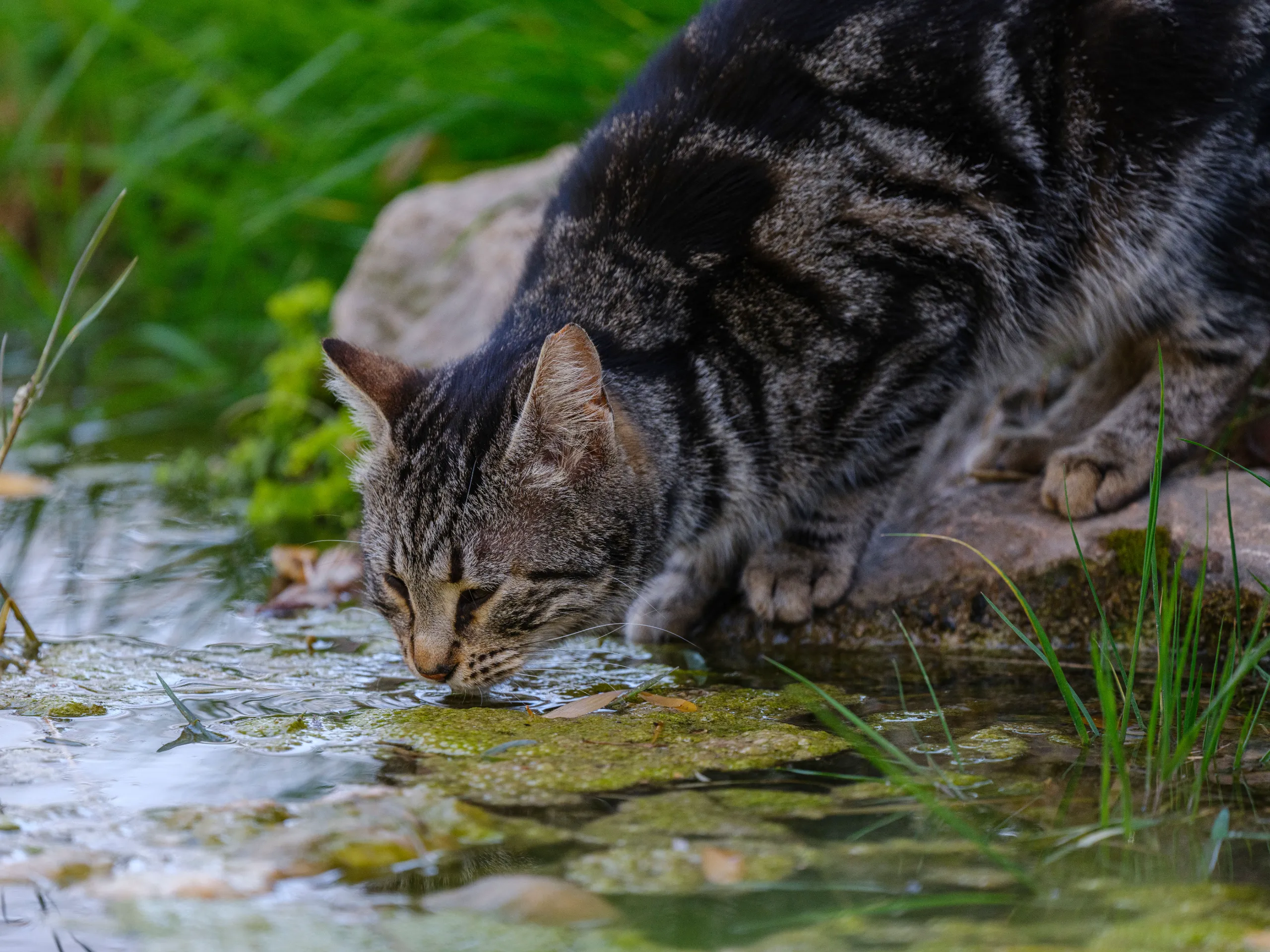
Cats can be sensitive to the smell and taste of their surroundings. Dust, food particles, and residue can make a water bowl less appealing.
Your daily bowl-care checklist:
If your tap water is safe for drinking but your cat refuses it, you can also experiment with filtered water.
A useful rule: Don’t just top up yesterday’s water indefinitely. Empty the bowl and clean it regularly.
Some cats enjoy drinking from moving water. If yours regularly tries to drink from a running tap, a pet water fountain might be worth trying.
However, fountains aren’t essential, and not every cat likes them.
Before buying one:
Budget-friendly alternative: Try improving the placement and cleanliness of your existing bowls first.
This is one of the most useful strategies because your cat doesn’t have to drink all its water directly from a bowl.
Wet cat food typically contains much more moisture than dry kibble. Adding a little water to food may also help increase total water intake.
Try this:
Important: Don’t suddenly replace your cat’s usual food with something it refuses to eat. Cats need to keep eating, and dietary changes should be gradual when possible. If your cat has a medical condition or a prescribed diet, ask your veterinarian before changing its food or fluid routine.
Cats can have individual preferences for the temperature of their drinking water.
Some may prefer room-temperature water, while others may show more interest in cooler water.
Try this simple experiment:
You don’t need to make the water icy cold or add anything special. Start with a simple comparison and let your cat choose.
If your cat remains uninterested in plain water, a small amount of suitable flavoring may encourage it to drink.
For example, some cats respond to a little water from plain tuna packed in water, provided it contains no added salt or seasonings. Another option may be a small amount of low-sodium broth made without onion, garlic, or other unsafe ingredients.
Keep these precautions in mind:
If your cat has kidney disease, heart disease, urinary problems, or another condition requiring dietary management, check with your veterinarian before adding flavored liquids. Avoid making flavoring the only way your cat will drink.
A frequently cited starting estimate for a healthy adult cat is approximately 4 ounces of water per 5 pounds of lean body weight per day. That includes water obtained from food, not just water drunk from the bowl.
| Cat’s lean body weight | Approximate daily water requirement |
|---|---|
| 5 pounds | 4 ounces |
| 10 pounds | 8 ounces |
| 15 pounds | 12 ounces |
These figures are general estimates, not strict targets for every cat. Actual needs vary with diet, activity, temperature, and health. A cat eating moisture-rich wet food may drink much less from its bowl while still getting substantial water through its meals.
If you want to estimate your cat’s needs more accurately, ask your veterinarian for guidance based on its weight, diet, and health history.
Rather than changing everything at once, use this simple plan to discover what your cat prefers.
Remember: This is a home-observation exercise, not a reason to wait a week if your cat appears ill, stops drinking, or develops concerning symptoms.
A cat that isn’t drinking much isn’t necessarily dehydrated, but certain changes deserve attention.
Watch for:
These signs can have several causes, and you cannot reliably confirm or rule out dehydration just by looking at your cat at home.
Contact a veterinarian promptly if you suspect dehydration or your cat isn’t drinking and is unwell. If your cat repeatedly strains to urinate, produces little or no urine, or appears unable to urinate, seek emergency veterinary care. A urinary blockage can be life-threatening, particularly in male cats.
Also, don’t assume that a cat drinking excessively needs more encouragement to drink. A sudden increase in thirst or urination can indicate an underlying medical problem and should be assessed by a veterinarian.
Never force water into your cat’s mouth with a syringe unless a veterinarian has specifically instructed you how to do so.
Your cat may be getting a substantial amount of water from wet food. Cats eating moisture-rich diets often drink less from their bowls than cats eating dry food. However, a noticeable change in drinking habits or other signs of illness deserves veterinary attention.
No. Water should remain your cat’s main drink. Many adult cats have difficulty digesting lactose, and milk can cause digestive upset. It isn’t a suitable replacement for fresh drinking water.
Not necessarily. Some cats enjoy moving water, while others prefer a still bowl. A fountain is worth trying if your cat seems interested in running water, but it must be cleaned regularly.
Often, yes, if your cat accepts the texture change and the approach suits its diet. Start with a small amount and serve the moistened food promptly. Don’t leave wet kibble sitting out for extended periods.
Seek veterinary advice if your cat stops drinking, seems dehydrated, eats less, vomits, has diarrhea, or shows an unusual change in thirst or urination. Urinary straining or an inability to pass urine requires emergency care.
Getting your cat to drink more water doesn’t have to involve expensive equipment or complicated routines. Start by keeping its water fresh, offering accessible bowls in different locations, and exploring whether wet food or a little added water would help.
Pay attention to your individual cat’s preferences, and change one thing at a time so you can see what works.
Most importantly, don’t treat a sudden change in drinking behavior as merely a fussy habit. When something seems wrong, a veterinarian can help determine whether your cat needs more water, medical treatment, or both.